

OCD and Neurodivergence: Exploring a Clinical Shift
30
Oct
OCD and Neurodivergence: Exploring a Clinical Shift
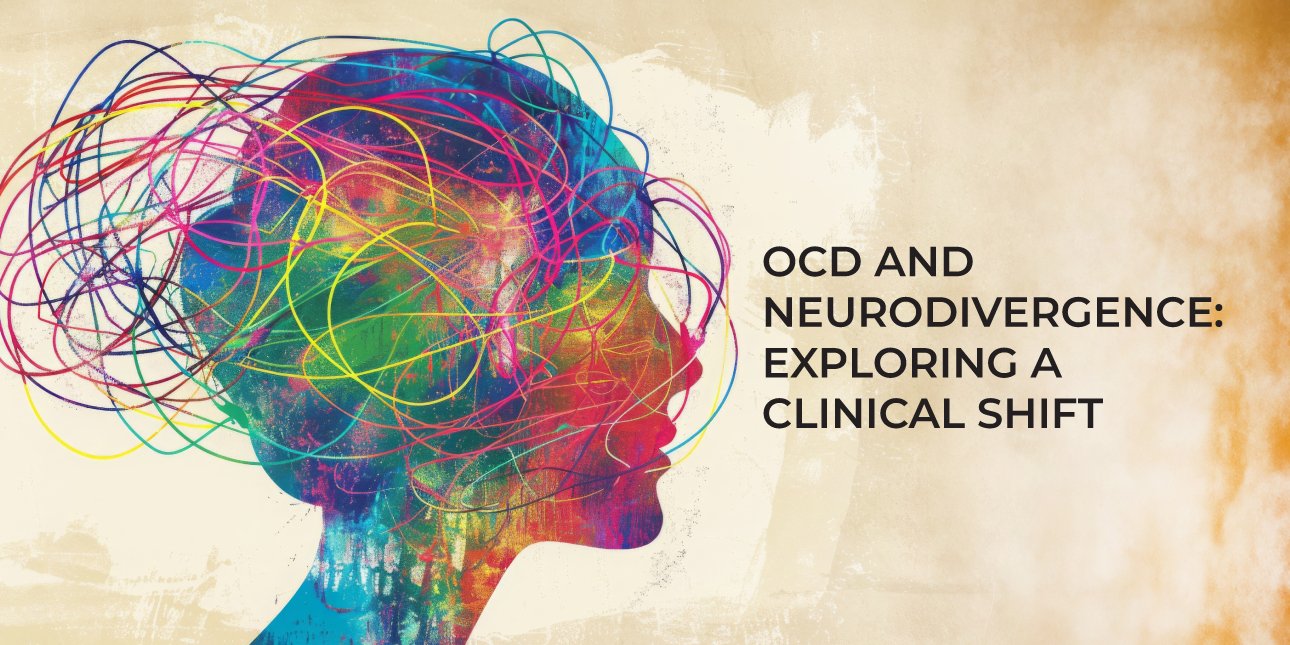
For years, we've talked about OCD as an anxiety disorder—a glitch in the brain's software that needs fixing. But a powerful new conversation is emerging, one that is changing how we see OCD at its very core. What if we started viewing it not just as a disorder, but as a different way of thinking? This shift in perspective, towards seeing OCD through the lens of neurodivergence, is offering many people a new sense of understanding and self-compassion.
So, what does this mean in simple terms?
What is Neurodivergence?
Think of it like this: human brains aren't all meant to work the same way. "Neurotypical" is a term for those with brains that function in the way society commonly expects. Neurodivergence simply means having a brain that naturally works differently. It's not about being broken; it's about being wired differently. Conditions like Autism and ADHD are often understood this way.
Now, people are asking: could OCD fit into this category?
OCD: A Different Pattern of Thinking, Not a Character Flaw
Viewing OCD as a form of neurodivergence helps us see it less as a personal failing and more as a fundamental difference in how the brain processes information.
A neurotypical brain might get an intrusive thought—like "Did I lock the door?"—and quickly dismiss it. But an OCD brain, with its different wiring, sounds a five-alarm fire alarm for that same thought. It gets stuck in a loop, analyzing the threat from every angle, demanding absolute certainty where none exists.
This isn't a choice. It's the brain's security system being overly—and differently—tuned.
Why This New Perspective is So Liberating
For someone struggling with OCD, this shift in understanding can be life-changing.
- It Reduces Crippling Shame: Instead of thinking, "What's wrong with me? Why can't I just stop?" you can start to see that your brain has a unique, if challenging, operating system. The problem isn't you; it's the mismatch between your brain's wiring and the demands of everyday life.
- It Validates Your Experience: It acknowledges that the struggle is real and rooted in biology, not a lack of willpower. Your challenges are not "all in your head" in the way people might dismissively say; they are in the very structure of your brain.
- It Focuses on Management, Not Just a "Cure": Just as we provide ramps for wheelchairs or quiet spaces for autistic individuals, we can build strategies and environments that support an OCD brain. The goal becomes learning to thrive with your unique mind, not fighting to become "normal."
What This Means for Treatment and Support
This doesn't mean we stop treating OCD. The suffering it causes is very real. Therapies like ERP (Exposure and Response Prevention) are still the gold standard because they are essentially "retraining exercises" for the brain—they help it learn new, less distressing pathways.
But when we approach this retraining from a neurodiversity-affirming perspective, the goal changes. It’s not about “curing” you of being yourself. It’s about giving you the tools to manage your brain's unique alarm system so that you can live a full and peaceful life, on your own terms.
You & Me: Honoring the Unique Way Your Mind Works
At You & Me Counselling and Personality Development Centre, we believe in compassionate, modern mental health care. We understand these evolving conversations about neurodivergence and recognize that every individual's experience is unique.
Led by Dr. Veerender Chennoju, his team is here to listen without judgment. We focus on providing evidence-based therapy, like ERP, while honoring your personal journey. We help you understand your brain's language and build a life where you are in control, not your anxiety.
If you’ve ever felt misunderstood by your own thoughts, we are here to help you find clarity, strength, and self-acceptance.